If you truly want to keep your crypto assets safe, a hardware wallet is the baseline - not an “optional extra.” And in this space, Ledger is one of the most established names. Since its founding in 2014, the French company has sold more than 7 million devices worldwide, and you’ll find Ledger wallets in the hands of both first-time buyers and long-term investors who store serious amounts.
The key advantage is simple: your private keys remain offline. They don’t sit on an exchange. They don’t live in a browser extension. They don’t float around on a laptop that might catch malware tomorrow. That protects you from the most common crypto disasters: phishing, fake “support” chats, exchange hacks, and infected computers that try to steal secrets in the background.
Here’s the part many people miss: even if your computer is compromised, your crypto can still stay safe with Ledger - because transactions must be confirmed on the physical device. That one step (physical confirmation) is exactly what stops a lot of theft attempts cold.
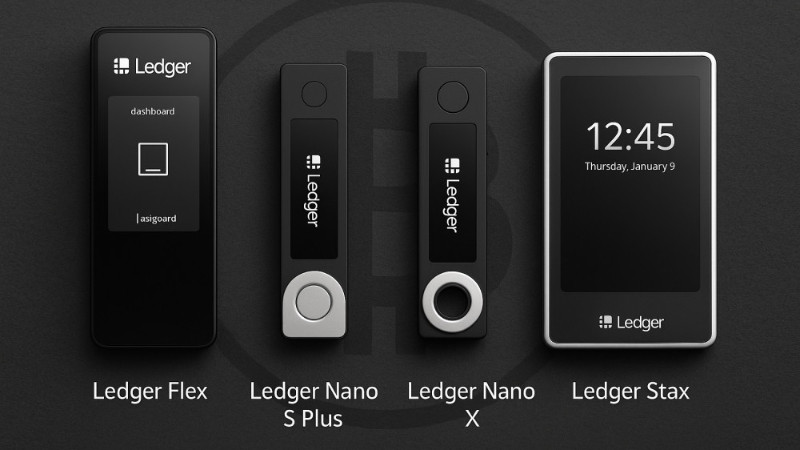
Ledger currently offers four main models:
-
Ledger Flex - the latest model featuring an E-Ink touchscreen
-
Ledger Nano S Plus - a popular and affordable entry-level option
-
Ledger Nano X - designed for mobile users with Bluetooth support
-
Ledger Stax - a premium model with curved display and wireless charging
All models focus on maximum security and support 5,500+ coins, tokens, and NFTs - including Bitcoin, Ethereum, Solana, Cardano, and many more. Translation: you can keep a diversified portfolio in one ecosystem instead of juggling five different wallet apps.
Why You Need a Hardware Wallet
When you hold cryptocurrencies, you're fully responsible for their security - that’s the whole point of self-custody. The motto says it best: “Not your keys, not your coins.”
Yet many users still leave funds on exchanges like Binance, Coinbase, or Kraken because it’s convenient. The problem: convenience is not a security strategy. If an exchange is hacked, frozen, restricted, or goes bankrupt, you can lose access fast - and you won’t get a polite refund email.
A hardware wallet like Ledger protects you from that very risk. Your keys live on your device, and you approve outgoing transactions yourself. No third party can “pause” your wallet. No platform can lock you out of your own assets.
Here are the main benefits:
-
Offline storage: Your private keys never touch the internet - which removes the biggest attack surface.
-
Independence from third parties: You’re not relying on exchange security or “account recovery” processes - you control access.
-
Protection from phishing & malware: Even if you click something stupid, no transaction happens without a physical confirmation on the device.
-
Recoverability: With a 24-word recovery phrase, you can restore your wallet anytime - even if the device is lost, broken, or replaced.
If you’re serious about long-term crypto investing, a hardware wallet is the most reliable security upgrade you can make. It’s not about paranoia. It’s about removing avoidable risks.
Models Compared
Ledger Nano S Plus - Compact & affordable
-
Price: ~€79 (often varies by promos and region)
-
Display: OLED 128x64 pixels - small, but clear enough for address checks
-
Connection: USB-C (wired only, simple and stable)
-
Storage: Up to 100 crypto apps (practical if you hold multiple chains)
-
Security: CC EAL6+ Secure Element (hardware-grade key isolation)
-
Best for: Beginners, long-term holders, people who don’t need Bluetooth
Pros:
✅ Compact, budget-friendly
✅ Supports 5,500+ coins
✅ No battery - works via cable (less to degrade over time)
Cons:
❌ No Bluetooth
❌ Must be plugged in to operate
Ledger Nano X - Mobile & powerful
-
Price: ~€149 (varies depending on offers)
-
Display: Larger than Nano S Plus (more comfortable for confirmations)
-
Connection: USB-C + Bluetooth (wired or wireless)
-
Battery: Rechargeable, ~8 hours (use-case dependent)
-
Compatibility: iOS & Android (built for phone-first users)
-
Security: CC EAL6+ Secure Element
Pros:
✅ Fully mobile with smartphone support
✅ Larger storage capacity for apps and multi-chain use
✅ Supports NFTs & staking workflows (depending on the assets you use)
Cons:
❌ Built-in battery (non-replaceable)
❌ Slightly bulkier
Buy Ledger Nano X
Ledger Flex - Touchscreen & modern connectivity
-
Price: ~€224
-
Display: 2.84" E-Ink touchscreen (easy confirmations, low glare)
-
Battery: Long-lasting, energy-efficient (E-Ink helps here)
-
Connections: USB-C, Bluetooth 5.2, NFC (more flexibility across devices)
-
Security: CC EAL6+ Secure Element
Pros:
✅ Intuitive touchscreen (less button-click fatigue)
✅ Great for travel & mobile use
✅ Modern design & connectivity
Cons:
❌ More expensive than Nano models
❌ Less widespread support for accessories
Buy Ledger Flex
Ledger Stax - Premium UX experience
-
Price: ~€399
-
Display: 3.7" curved E-Ink touchscreen (premium readability)
-
Charging: Wireless + USB-C (desk-friendly)
-
Extras: Customizable lock screen (nice, but also practical for identifying devices)
-
Security: CC EAL6+ Secure Element
Pros:
✅ Top-tier build & interface
✅ E-reader-style UX (clear confirmations, less strain)
✅ Stackable with magnets - perfect for pros managing multiple devices
Cons:
❌ High price point
❌ Slightly delayed screen (typical of E-Ink)
Buy Ledger Stax
Which Model suits you best?
Choosing between four models isn’t easy - because they all do the same core job (secure key storage) but target different lifestyles. This quick guide keeps it simple and helps you pick the right Ledger hardware wallet without overthinking it:
| Model | Best for you if you… |
|---|---|
| Ledger Nano S Plus | … want an affordable, USB-only wallet that still supports tons of altcoins and keeps things simple. |
| Ledger Nano X | … need mobile access and Bluetooth pairing with your smartphone for quick day-to-day management. |
| Ledger Flex | … prefer a modern touchscreen, strong battery life, and flexible connections (USB, Bluetooth, NFC). |
| Ledger Stax | … care about premium UX, a larger display, and you’re happy to invest in a high-end daily-driver device. |
Pro tip: Just getting started with crypto? The Nano S Plus is usually the best first step because it covers the basics without unnecessary cost.
If you already manage multiple assets, stake crypto, or use NFTs - then it’s worth looking at the Nano X, Flex, or Stax for better convenience and usability.
Security & FAQ
How secure are Ledger wallets?
Ledger devices use a certified Secure Element (CC EAL6+) designed to keep private keys isolated from your computer and the internet.
The real-world rule is even more important than the chip: store your 24-word backup phrase safely, never share it, and never type it into random websites. Most “wallet hacks” are actually recovery-phrase theft, not device compromises.
As long as you store your 24-word backup phrase safely and don’t install sketchy third-party apps, the rule is:
If you use your device correctly, attackers usually can’t “hack the wallet” - they try to trick you into giving up your recovery phrase.
What if I lose my device?
No worries - as long as you have your recovery phrase stored safely and privately.
You can restore your crypto on a new Ledger device or any compatible wallet. The device is replaceable. The recovery phrase is the real key.
Is Bluetooth a risk on Nano X, Flex & Stax?
No. Bluetooth is end-to-end encrypted and only used for communication.
Your private keys never leave the device - Bluetooth doesn’t change that. The risk is not “Bluetooth steals keys,” the risk is still phishing and fake apps trying to manipulate what you approve. Always verify addresses on the device screen.
What if the battery dies?
Devices like the Nano X or Stax have built-in batteries that aren’t replaceable.
However, even if the battery fails, the wallet still works via USB - you can keep using it like before, just without the wireless convenience.
Where should I buy?
Always buy directly from Ledger or certified resellers.
Avoid eBay, classifieds, or sketchy Amazon listings - tampered devices and repackaged returns do happen. If you buy from a marketplace, be extra strict: sealed packaging, official seller, and use the official companion app to verify authenticity.
Conclusion
Whether you’re new to crypto or already actively managing assets, choosing a Ledger hardware wallet is one of the best steps you can take for security.
From the affordable Nano S Plus, the mobile-friendly Nano X, to the modern Ledger Stax or sleek Flex - there’s a model for every profile and every routine.
Our recommendation:
Invest in your security before you invest in more coins. A protected Bitcoin is worth far more than a compromised one - because “lost keys” don’t come back.
One more privacy tip:
When signing up for Ledger, creating accounts, or subscribing to crypto newsletters, you don’t need to use your personal email address.
Instead, use a Disposable email address from TrashMailr.com (formerly Tempr.email) - quick, anonymous, and free.
Whether for quick registrations, crypto airdrops, or spam control - Trashmail / Temp Mail helps you stay private and your inbox clean.